March 9, 2026
Epoxy flooring has become a popular choice across residential, commercial, and industrial spaces due to its durability, versatility, and modern appearance. Known for its seamless finish and resistance to wear, epoxy flooring offers both functional and aesthetic advantages. This article explores what epoxy flooring is, how it works, how it is installed, and where it is commonly used. By understanding these fundamentals, you can better determine whether epoxy flooring is the right solution for your space. In addition, epoxy flooring’s low maintenance requirements make it especially appealing for high-traffic environments. Its ability to combine performance with design flexibility has contributed to its growing adoption across multiple industries.
Understand the Composition and Design of Epoxy Flooring
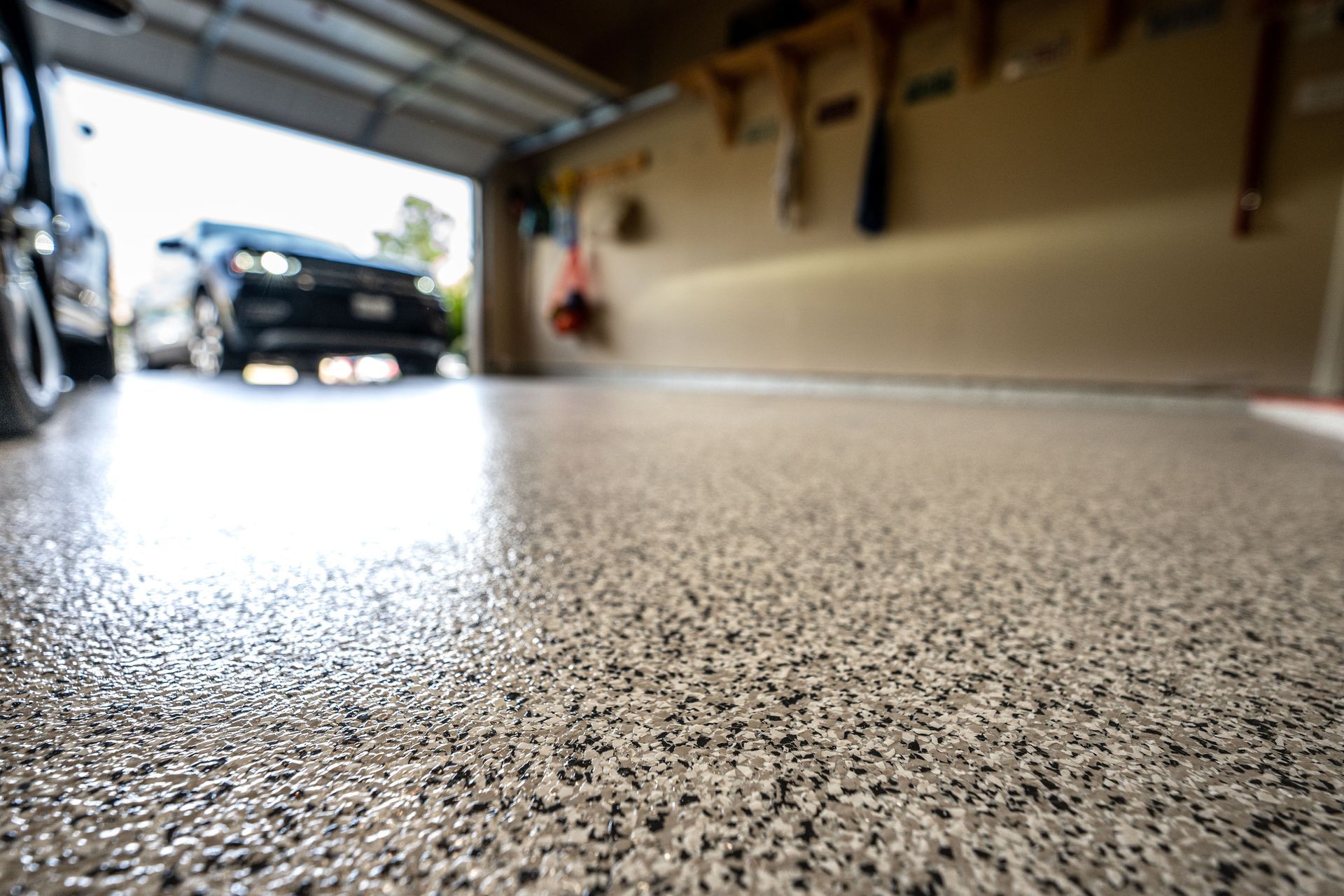
Epoxy is formed by mixing epoxy resin with a hardener, triggering a chemical reaction that creates a solid, plastic-like surface. This process produces a highly durable floor that resists wear, impact, and everyday stress. According to UltraTech Cement, epoxy flooring is a highly durable and customizable flooring solution that isn't only robust but also provides a seamless surface that is aesthetically appealing and is created by combining two main components: epoxy resin and a hardener. This flooring type is ideal for environments that require a hard-wearing surface that looks as good as it performs.
Epoxy resin is a polymer and, when mixed with a hardener, undergoes a curing process that changes the liquid components into a solid, plastic-like floor surface. This solidification process ensures the epoxy is resilient and can withstand heavy loads and mechanical impact, making it perfect for industrial applications. The resulting epoxy floor is impermeable to most chemicals, which offers an additional advantage for factories and warehouses that deal with hazardous materials. Therefore, its component materials make epoxy flooring a premier choice for spaces that experience high traffic and heavy use.
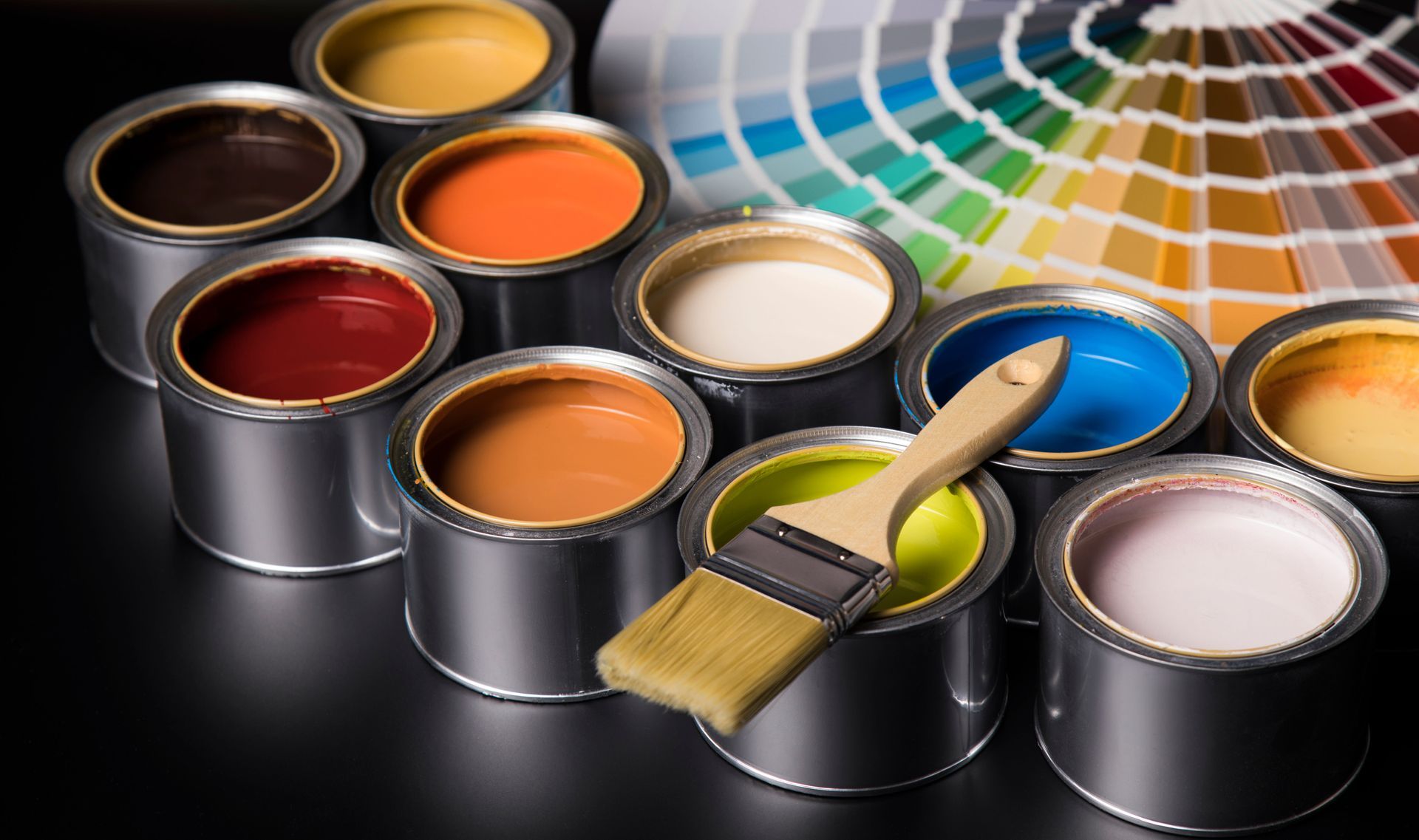
Moreover, the versatility of epoxy extends to its aesthetic properties. Because it can be mixed with various pigments and finishes, epoxy flooring offers customization options, far surpassing traditional flooring materials such as wood and tile. Patterns, textures, and color variations can be incorporated into the flooring design, making it highly adaptable to different interior design requirements. Thus, epoxy flooring not only serves functional requirements but also caters to stylistic and decorative needs, enhancing the overall ambiance of the space.
Follow the Epoxy Flooring Installation Process
The installation of epoxy flooring involves several methodical steps, ensuring a durable and effective floor finish. Initially, the floor surface must be prepared by cleaning and repairing any cracks or holes. This preparation phase is critical as the epoxy needs to bond effectively with the surface to ensure the longest lifespan possible. The floor is typically cleaned using an industrial cleaner, followed by sanding or grinding if necessary, to eliminate any impurities that could obstruct the proper adhesion of the epoxy.
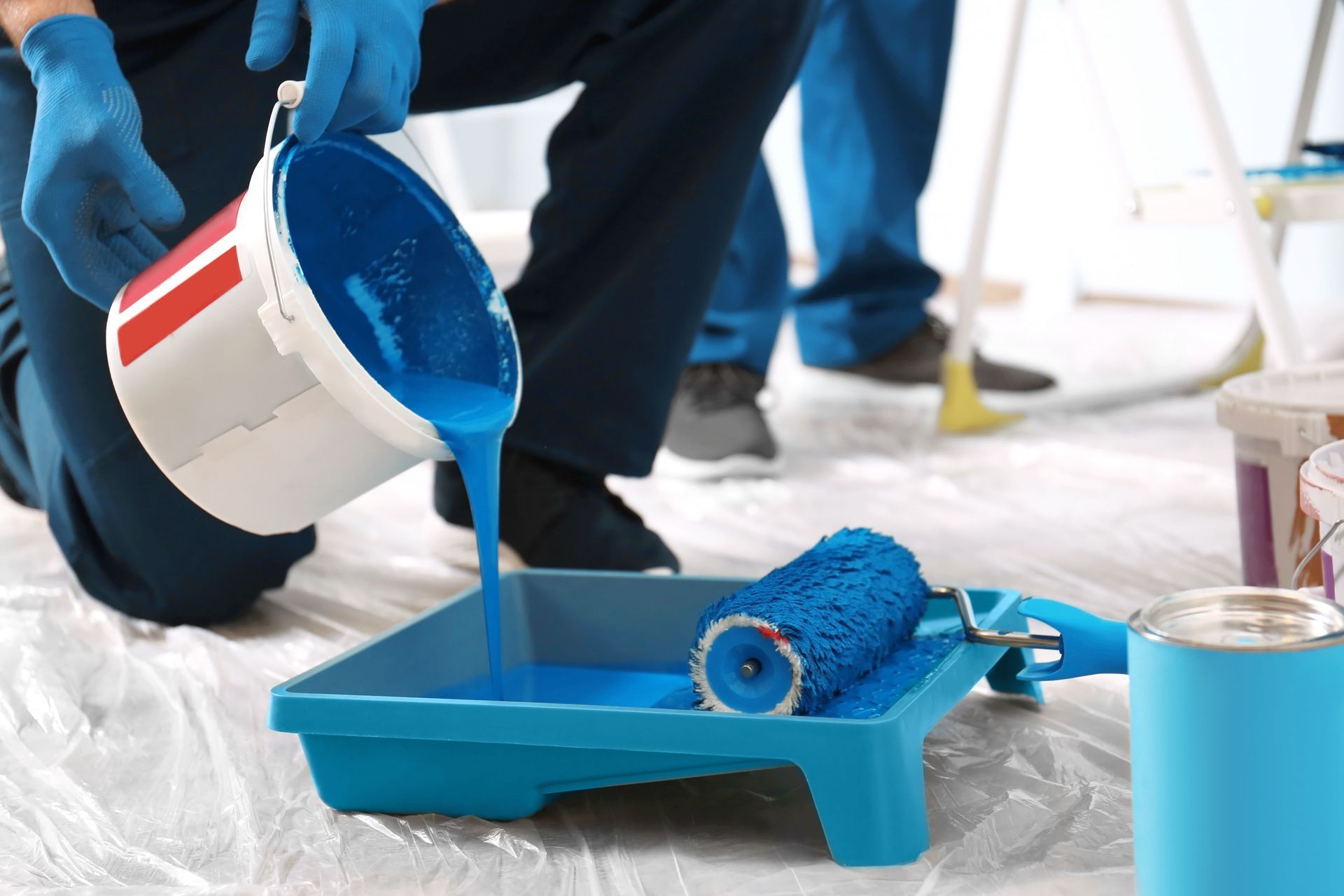
Once the surface is meticulously prepared, a primer is applied to enhance the bonding of the epoxy to the substrate. After the primer dries, the epoxy resin and hardener are mixed to start a chemical reaction that will cure the liquid into a solid. The mixed epoxy is then spread evenly across the floor using rollers or brushes, depending on the specific method selected. Any air bubbles that form during this process can be eliminated by using a spiked roller, ensuring a smooth and professional finish.
After application, the floor must be allowed sufficient time to cure, a process that can take several days depending on the ambient temperature and humidity levels. During this period, the floor should not be disturbed to prevent any imperfections from forming on the surface. The installation process might seem labor-intensive, but the durability and aesthetic appeal of the finished product are well worth the effort. Properly installed epoxy flooring can last for decades with minimal maintenance, making it a preferred choice for many residential and commercial projects.
Explore the Benefits and Performance Advantages
One of the most significant benefits of epoxy flooring is its durability. Once the epoxy cures, it forms a hard, durable coating that is resistant to scratches, impacts, and heavy foot traffic. This makes it an ideal solution for industrial and commercial settings, where floors take a heavy beating from machinery, pallets, and constant human activity. The longevity of epoxy flooring reduces the need for frequent replacements, offering cost savings in the long term.
Epoxy flooring is also known for its resistance to chemicals and stains. This attribute is particularly advantageous in environments like garages, labs, and factories where spills are common. Unlike traditional flooring, epoxy’s non-porous nature means that liquids sit on the surface, allowing for easy cleaning and no permanent staining. Consequently, this attribute makes epoxy flooring an excellent choice for healthcare facilities and commercial kitchens that require stringent hygiene standards.
Beyond its functional benefits, aesthetic versatility is another appealing feature of epoxy flooring. Available in a wide range of colors, finishes, and designs, users can match the flooring to their specific decor needs. Whether it's for branding purposes in a commercial space or style coordination in a residential setting, epoxy flooring can be tailored to meet diverse aesthetic requirements. Its reflective properties can even enhance lighting within a space, creating an inviting and upscale environment.
Apply Epoxy Flooring Across Multiple Spaces
Epoxy flooring is versatile and applicable in a myriad of settings thanks to its durability and customizable nature. In industrial contexts, it’s favored in factories, warehouses, and manufacturing plants due to its capability to withstand heavy machinery and prevent chemical damage. Its seamless surface minimizes dust accumulation, thus improving the overall cleanliness and safety of work environments. Furthermore, epoxy’s ability to resist heat makes it suitable for facilities involved in high-temperature operations.
In commercial spaces, such as retail stores, office buildings, and healthcare facilities, epoxy flooring offers both functional and aesthetic advantages. The variety of colors and finishes allows businesses to create inviting interiors that complement their brand image. Hospitals and clinics particularly benefit from epoxy’s easy maintenance and resistance to microbial growth, making it an ideal flooring choice in spaces where hygiene is paramount. Hence, its application in commercial settings is widespread and highly recommended by industry professionals.
Residential applications of epoxy flooring are becoming increasingly popular as well. Homeowners appreciate the modern, sleek look that epoxy flooring can provide, especially in kitchens, bathrooms, and garages. Its ability to handle moisture and heavy use without deteriorating makes it a sensible choice for areas prone to spills or frequent foot traffic. The low maintenance requirement, combined with its attractive finish, makes epoxy flooring an appealing option for both new builds and home renovation projects.
Epoxy flooring stands out as a durable, customizable, and long-lasting flooring option suitable for a wide variety of applications. Its resistance to impact, chemicals, and moisture—combined with its aesthetic flexibility—makes it a practical and attractive choice for homes, businesses, and industrial facilities alike. While proper installation and environmental considerations are essential for optimal performance, epoxy flooring delivers significant long-term value when applied correctly. With a clear understanding of its benefits and uses, you can confidently decide if epoxy flooring aligns with your functional needs and design goals. Investing in
epoxy flooring offers a balance of durability, efficiency, and visual appeal that supports both short-term needs and long-term performance. Reach out to WD Family Paint & Drywall to learn more about our services today.